
Long before GLP-1 became a headline or a prescription, it was already part of your body’s design, quietly helping regulate appetite, digestion, and blood sugar after meals.
Before 2022 most of us had never heard the term “GLP-1.” Then, suddenly, it was everywhere. But as a natural hormone, your body has been quietly producing GLP-1 all along—without the fanfare, headlines, or ongoing debate associated with medications.
Understanding the difference between the hormone and the medication matters. GLP-1 (glucagon-like peptide-1) is a hormone your body produces naturally, primarily in the gut, in response to eating. GLP-1 medications are prescription drugs designed to mimic or amplify this same pathway, only in a very different way.
GLP-1: The Natural Hormone
When you eat, your small intestine releases GLP-1. This hormone helps your pancreas release insulin, reduce excess blood sugar spikes, and slow how quickly food leaves your stomach, giving your brain time to register fullness.
Not all meals trigger this response equally, however. Highly refined carbohydrates—especially when eaten quickly or on an empty stomach—can overwhelm this gut-to-brain signaling process. As a result, hunger returns sooner, energy dips, and cravings intensify.
GLP-1: The Medication
GLP-1 medications amplify the signal far beyond normal physiological levels and for much longer than the body naturally does on its own. Because they directly influence appetite signaling and metabolic processes, they are prescribed for specific medical purposes and used under the guidance of a health care professional.
Smart Choices That Support Your Body’s Natural Signal
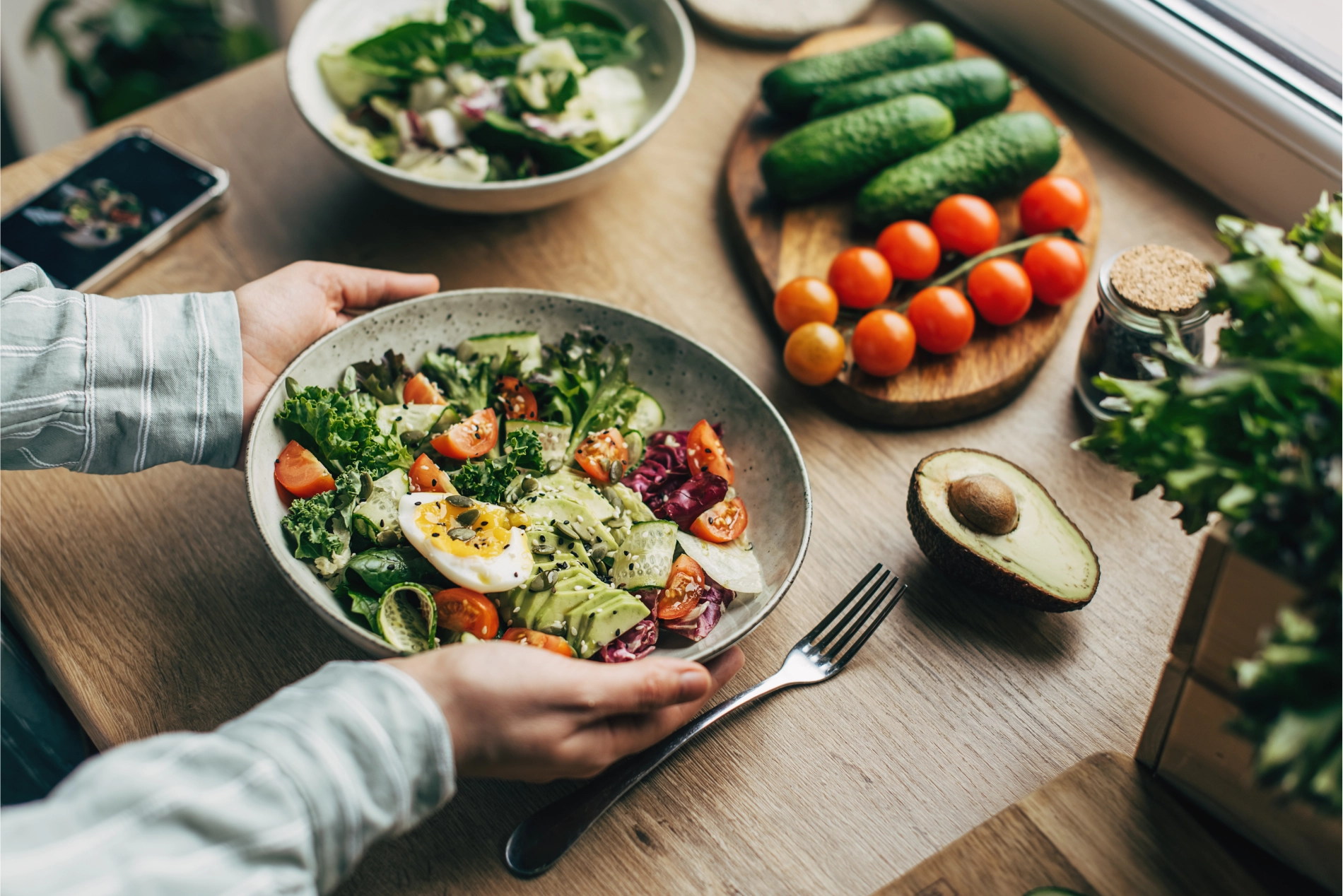
While no dietary plan can produce the same results as medication, certain choices can support your body’s natural GLP-1 response. Protein plays a leading role. By including a protein source at meals such as beef, eggs, fish, poultry, a protein shake, or yogurt, you help stimulate satiety signals and keep hunger steadier.
Fiber matters too. Vegetables, whole grains, legumes, nuts, and seeds slow digestion and feed the gut bacteria that influence hormone signaling. Fermented foods and probiotics can further support a healthy gut environment.
Finally, starting meals with protein and vegetables before carbohydrates can help blunt blood sugar spikes. And simply slowing down and chewing more can give GLP-1 time to do its work.
Outside the kitchen, daily habits like exercise, high-quality sleep, and stress management all influence how effectively these natural signals function.
Making the Wise Choice
By consistently practicing healthy eating and lifestyle habits, you can support your natural GLP-1 signaling and experience meaningful benefits, including steadier energy, improved satiety, and more stable hunger patterns.